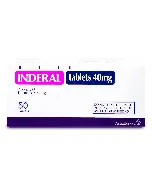
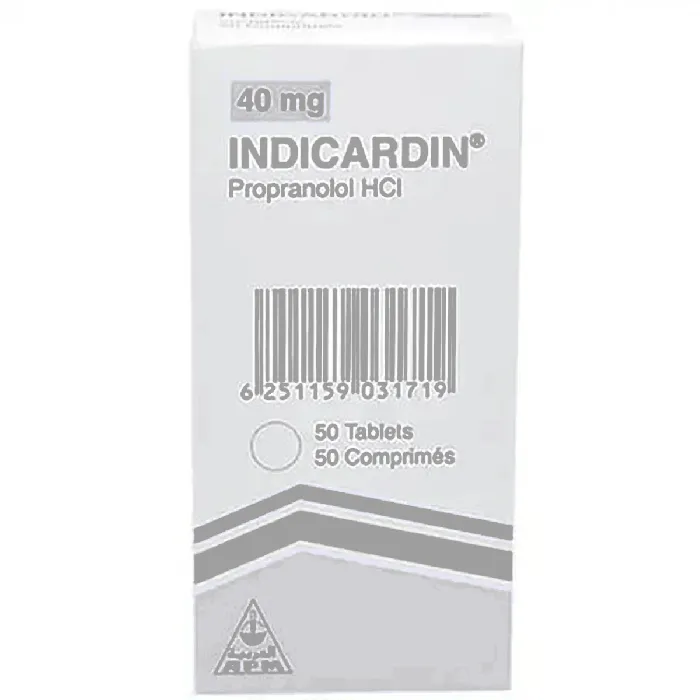
Indicardin 40 Mg Tablet 50 P
15.00
15.00
In stock
SKU
4993
Indicardin contains propranolol, a medicine used to manage several cardiovascular and related conditions, including high blood pressure, angina, heart rhythm disorders, and protection following a heart attack. It is also used for migraine, essential tremor, certain thyroid conditions, hypertrophic cardiomyopathy, phaeochromocytoma, and complications of portal hypertension.
Indicardin contains propranolol and is used for the treatment of high blood pressure, angina, and certain heart rhythm disorders. It may also be used to protect the heart following a myocardial infarction.
Propranolol has additional therapeutic uses including migraine prevention, essential tremor, certain thyroid conditions, hypertrophic cardiomyopathy, and phaeochromocytoma.
It may also be used to manage bleeding in the oesophagus associated with high pressure in the liver circulation. The appropriate dose and treatment regimen depend on the condition being treated and should be determined by the doctor.
| Product Brand | 2807 |
|---|---|
| Product Type | simple |
| Ingredients | Propranolol |
| Concentration | 40 mg |
| Quantity | 50 Tablets |
| Benefits and Features | • Used to treat high blood pressure • Helps manage angina • Used for certain heart rhythm disorders • Helps protect the heart following myocardial infarction • Used for migraine prevention • Helps manage essential tremor • Used for certain thyroid conditions • May be used for hypertrophic cardiomyopathy and phaeochromocytoma • May help manage oesophageal bleeding associated with portal hypertension |
| How To Use | Take Propranolol exactly as prescribed by your doctor. For hypertension, adults usually start with 40 mg 2–3 times daily. For angina and essential tremor, the initial adult dose is 40 mg 2–3 times daily. For arrhythmias, the adult dose is 10–40 mg 3–4 times daily. Following a heart attack, treatment may start with 40 mg 4 times daily and change after a few days to 80 mg twice daily. Children under 12 years treated for migraine may receive 20 mg 2–3 times daily. Children aged 12 years and over may receive the adult dose. For pediatric arrhythmias, the doctor adjusts the dose according to the child's age or weight. |
| Warning | Consult your doctor or pharmacist before taking Propranolol if you have diabetes, thyrotoxicosis, kidney or liver problems, heart problems, myasthenia gravis, chronic obstructive pulmonary disease, bronchospasm, or a history of significant allergic reactions. Propranolol may alter the usual response to low blood sugar and may mask symptoms of thyrotoxicosis. Propranolol should not be combined with calcium channel blockers with negative inotropic effects such as verapamil or diltiazem because this may cause severe hypotension and bradycardia. Tell your doctor about all medicines you use, particularly nifedipine, nisoldipine, nicardipine, isradipine, lacidipine, lidocaine, disopyramide, quinidine, amiodarone, propafenone, cardiac glycosides, adrenaline, ibuprofen, indomethacin, migraine medicines, chlorpromazine, thioridazine, cimetidine, rifampicin, theophylline, warfarin, hydralazine, fingolimod, fluvoxamine, barbiturates, or MAO inhibitors. Possible side effects include cold fingers and toes, slow heartbeat, Raynaud's syndrome, disturbed sleep or nightmares, fatigue, breathlessness, nausea, vomiting, and diarrhea. Keep out of the sight and reach of children and do not use after the expiry date. |
| Dose | Adults: For hypertension, the initial dose is 40 mg 2–3 times daily and may be increased by 80 mg per day at weekly intervals. For angina and essential tremor, the initial dose is 40 mg 2–3 times daily and may be increased by 40 mg per day at weekly intervals. After myocardial infarction, the initial dose is 40 mg 4 times daily, changing after a few days to 80 mg twice daily. For arrhythmias, take 10–40 mg 3–4 times daily. For phaeochromocytoma, the dose is 60 mg daily before surgery or 30 mg daily for non-operable cases. For bleeding associated with portal hypertension, the initial dose is 40 mg twice daily, increasing to 80 mg twice daily. For migraine in children under 12 years, the dose is 20 mg 2–3 times daily; children aged 12 years and over receive the adult dose. Dosing for pediatric arrhythmias is adjusted by the doctor according to age or weight. |
Write Your Own Review
Related Products
Check items to add to the cart or